
Finding more hair than usual on your pillow, in the shower drain, or in your brush can be unsettling. Hair loss is one of the most common reasons people visit a dermatologist, and it affects women as well as men. The good news is that many causes can be identified, and some respond well when they are treated early. At 212 Skin Dermatology, a dermatologist in downtown Manhattan, we help patients figure out why their hair is thinning and what can realistically be done about it.
This article is for general information and isn’t medical advice.
Is some shedding normal?
Yes. Most people lose somewhere around 50 to 100 scalp hairs a day, and you usually don’t notice because new hairs are growing in to take their place. Hair loss becomes visible when the hair that falls out is not being replaced, when follicles shrink and produce finer hairs, or when hair suddenly sheds in large amounts. The medical word for hair loss is alopecia, and it is really a group of conditions rather than a single one.
Common types and causes of hair loss
The cause shapes everything: whether the hair thins slowly or falls out quickly, whether it can grow back on its own, and which treatment makes sense. Some of the causes dermatologists see most often include:
Hereditary hair loss
Inherited thinning, called androgenetic alopecia, is the most common cause of hair loss worldwide. In men it often starts as a receding hairline or a thinning spot at the crown. In women it usually shows up as overall thinning on top of the head or a part that seems to get wider. It tends to progress gradually, and treatment generally works best when it starts early.
Shedding after stress, illness, or childbirth
A few months after a major physical or emotional strain, such as surgery, a high fever, giving birth, or a very difficult period in life, many people notice a sudden increase in shedding. This kind of hair loss is usually temporary. Once the trigger has passed, the shedding tends to settle, and fullness often returns over the following months.
Alopecia areata
Alopecia areata is an autoimmune condition in which the immune system attacks hair follicles. It typically causes smooth, round or oval bald patches on the scalp, though it can also affect the beard, eyebrows, or eyelashes. Some people feel tingling or itching before a patch appears, and some develop small pits in their nails. Its course is unpredictable: hair often regrows within months, but new patches can appear later. There is no cure, but treatment can help hair grow back more quickly.
Hairstyles and hair care
Styles that pull tightly on the scalp, such as tight ponytails, braids, or buns worn day after day, can lead to traction alopecia. Frequent coloring, perms, relaxers, and high heat can also damage hair. Caught early, this type of loss can often be stopped by changing habits; long-term pulling, however, can permanently damage follicles.
Medical conditions, medicines, and nutrition
Thyroid problems, hormonal shifts (including those related to pregnancy, menopause, or polycystic ovary syndrome), scalp infections such as ringworm, scalp psoriasis, and some sexually transmitted infections can all contribute to hair loss. Certain medicines list hair loss as a side effect, and low levels of nutrients such as iron, protein, or zinc can play a role as well. If you suspect a medicine, talk with the doctor who prescribed it before stopping it.
Scarring alopecia
In a less common group of conditions, inflammation destroys hair follicles and replaces them with scar tissue. Once a follicle is destroyed it can no longer grow hair, so early diagnosis matters. A gradually receding hairline in older women, for example, can be a sign of a scarring type called frontal fibrosing alopecia.
City life and your hair
Busy downtown schedules don’t cause hereditary thinning, but some everyday factors can add to the problem. Prolonged stress and poor sleep can contribute to stress-related shedding. Rushed mornings often mean a tight ponytail, hot tools on wet hair, or the same pulled-back style every workday. Hats and helmets worn for commuting generally don’t cause baldness, but very tight headwear that constantly rubs the same spot may contribute to friction-related thinning in some people.
Gentle home-care tips
- Be kind to wet hair. Hair is more fragile when wet. Use a detangler and a wide-toothed comb, and avoid yanking through knots.
- Loosen up your styles. Alternate hairstyles, avoid very tight elastics, and give your scalp breaks from braids, extensions, and buns.
- Go easy on heat and chemicals. Limit curling irons, flat irons, perms, and relaxers, and space out coloring when you can.
- Eat a balanced diet. Enough protein and a varied diet support healthy hair. Avoid taking high doses of supplements on your own; too much of some, such as vitamin A or selenium, can actually cause hair loss.
- Review your medicines. Ask your doctor whether anything you take could be contributing.
- Don’t smoke. Some studies have linked smoking with balding in men.
- Be patient. Hair grows slowly, so changes from any approach usually take months to show.
When to see a dermatologist
It’s a good idea to make an appointment if you notice:
- Sudden shedding, or hair coming out in clumps
- Round or patchy bald spots on the scalp, beard, or eyebrows
- A widening part, a receding hairline, or steady thinning that bothers you
- Scaling, redness, pain, itching, or oozing on the scalp
- Hair loss along with other symptoms, such as fatigue or weight changes
- Hair loss in a child
Because treatment depends on the cause, an accurate diagnosis is the most important first step. A dermatologist will ask about your health history and habits, examine your scalp and hair, and may recommend tests such as blood work or, in some cases, a small scalp biopsy.
Hair loss treatment in NYC: in-office options
At our Financial District office, care is tailored to the type of hair loss and your goals. Depending on the diagnosis, options listed on our hair loss treatment page may include:
- Prescription medications, such as minoxidil or finasteride when they are appropriate, to help slow hair loss and support regrowth.
- Platelet-rich plasma (PRP) therapy, in which concentrated platelets from your own blood are injected into the scalp to encourage growth.
- Hair transplant surgery for suitable candidates seeking a longer-lasting option.
- Cosmetic approaches, such as scalp micropigmentation and hair restoration surgery, described on our alopecia hair loss page.
When hair loss is linked to a scalp problem such as a fungal infection or psoriasis, treating that condition is often part of the plan; you can learn more on our medical dermatology page. Results vary from person to person, improvement is usually gradual, and some types of hair loss need ongoing care to maintain progress.
See a Financial District dermatologist about hair loss
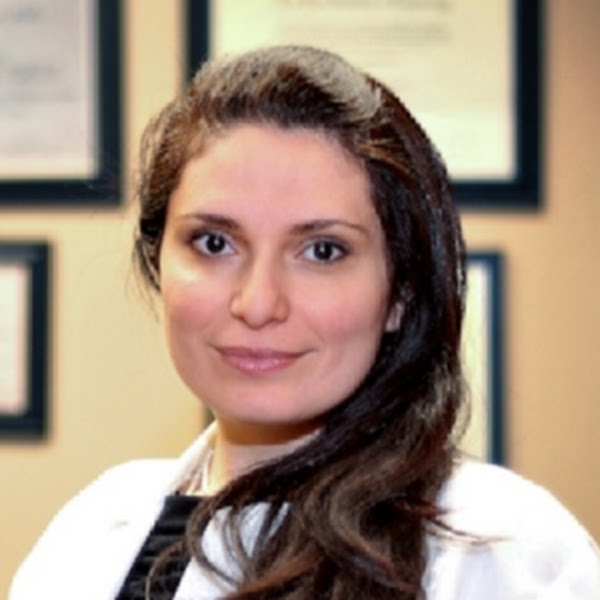
If you’re worried about thinning or shedding, you can see Dr. Lyubov Avshalumova at 212 Skin Dermatology, 80 Beekman Street, a short walk from City Hall, Wall Street, and the Seaport. You can make an appointment online, contact the office, or call 212-674-7777.
Sources: American Academy of Dermatology, on causes of hair loss; Mayo Clinic, on hair loss symptoms and causes; and National Institute of Arthritis and Musculoskeletal and Skin Diseases, on alopecia areata.