
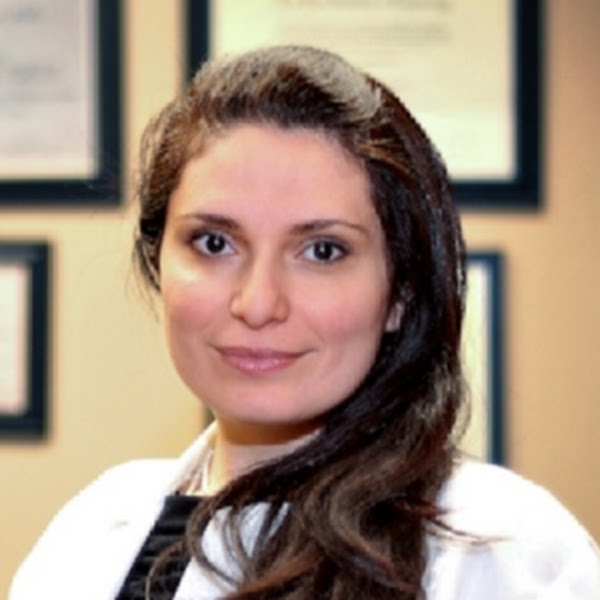
Eczema can turn ordinary days into a cycle of itching, scratching, and trying not to scratch. If you are dealing with dry, irritated patches that keep coming back, a dermatologist in downtown Manhattan can help you understand what is going on and build a plan that fits your skin and your routine. At 212 Skin Dermatology in the Financial District, Dr. Lyubov Avshalumova sees children and adults with eczema, from mild flares to stubborn, long-running rashes.
This article is for general information and isn’t medical advice.
What is eczema?
“Eczema” is an umbrella term for a group of conditions that make skin itchy, dry, and inflamed. The most common form is atopic dermatitis, which is what most people mean when they say eczema. Other types include contact dermatitis (a reaction to something that touches the skin), dyshidrotic eczema, nummular eczema, and seborrheic dermatitis. It is possible to have more than one type at a time.
Atopic dermatitis is a long-term condition. It tends to come and go, with flares when the skin gets worse and calmer stretches when it improves or clears. It often starts in infancy or early childhood, and many children improve as they grow. Others keep having symptoms into their teens and adult years, and some people develop it for the first time as adults. Eczema is not contagious, so it cannot be passed from one person to another.
Common signs
- Itching, which can be intense and may start before any rash is visible
- Dry, rough, or scaly patches
- Rashes that ooze, crust, or bleed when scratched
- Thickened, leathery skin in areas that have been scratched for a long time
- Color changes: on lighter skin the rash often looks pink or red, while on darker skin it may look brown, purple, or gray, and inflamed areas can later become darker or lighter than the surrounding skin
Where it shows up often depends on age. Babies tend to get it on the face and scalp. Older children commonly have it in the bends of the elbows and knees, on the neck, and around the ankles. In teens and adults, the hands, neck, eyelids, inner elbows, backs of the knees, and feet are frequent spots.
What causes eczema and what triggers flares?
There is no single known cause. Researchers point to a mix of genes, an overactive immune response, and the environment. Many people with eczema have a skin barrier that does not hold on to moisture well, which lets the skin dry out and makes it easier for irritants to get in and set off inflammation. Inflammation drives itching, scratching damages the skin further, and the cycle keeps going.
Eczema is more likely when there is a family history of eczema, asthma, or hay fever. People with eczema often have allergies too, though allergies are not the underlying cause.
Triggers vary from person to person. Common ones include:
- Cold, dry winter air and overheated indoor spaces
- Heat and sweat, including the sticky days of a New York summer and a crowded subway commute
- Long, hot showers and frequent hand washing
- Fragrances and dyes in soaps, lotions, and detergents
- Rough fabrics such as wool
- Tobacco smoke and some air pollutants
- Stress and poor sleep
- Allergens such as pollen, dust mites, mold, or pet dander, and colds or the flu
Jobs that involve “wet work,” where hands are wet or washed many times a day, can be especially hard on people who have or had eczema, even when the rest of their skin is calm.
Practical home-care tips
Daily skin care is the foundation of eczema treatment and can reduce how often you need medicine. Habits that dermatologists commonly recommend include:
- Moisturize often. Use a thick, fragrance-free cream or ointment at least twice a day, and right after bathing while the skin is still slightly damp to help lock in moisture.
- Keep showers short and lukewarm. Hot water strips natural oils. Use a gentle, fragrance-free cleanser instead of harsh soap, and pat dry rather than rubbing.
- Choose products carefully. Look for skin care and laundry products without added fragrance or dyes.
- Dress for comfort. Soft, breathable fabrics like cotton are usually easier on the skin than wool or scratchy synthetics.
- Add humidity in winter. A humidifier can help when radiators make apartment air very dry.
- Protect your hands. Moisturize after washing and wear gloves for cleaning or dishwashing.
- Limit scratching damage. Keep nails short, and consider light cotton gloves at night if you scratch in your sleep.
- Track your triggers. A simple note of when flares happen can reveal patterns, such as a new detergent, a stressful week at work, or a change in the weather.
Over-the-counter options such as mild hydrocortisone cream or oral antihistamines can help some people with itching, but it is worth checking with a dermatologist before using any medicine regularly, especially on the face or on children.
When to see a dermatologist
Getting a proper diagnosis early can help keep eczema from getting worse over time. Consider making an appointment if:
- The rash or itch is not improving with good home care
- Itching is keeping you or your child up at night or getting in the way of work or school
- Flares are becoming more frequent, more widespread, or harder to control
- You are not sure whether the rash is eczema or something else, such as psoriasis, a fungal infection, or an allergic reaction
- You notice signs of infection, such as pain, warmth, spreading redness, pus, yellow crusts, or fever
Scratched, broken skin is more prone to bacterial and viral infections, so a rash that suddenly changes or becomes painful should be checked promptly.
How eczema is treated in our downtown Manhattan office
Diagnosis usually starts with a look at your skin and a conversation about your symptoms and personal and family history. In some cases, tests may be used to rule out other causes of an itchy rash or to look for an allergic trigger. From there, treatment is tailored to your age, where the eczema is, and how severe it is.
The practice’s eczema treatment options include:
- Topical corticosteroids to calm inflammation during flares
- Topical calcineurin inhibitors, a non-steroid option for some patients and areas
- Antihistamines to help with itching
- Systemic corticosteroids for short-term use in selected situations
- Light therapy for eczema that does not respond well to creams alone
The office also sees patients for dry and itchy skin, skin allergies, rashes, and skin infections, and children can be evaluated through pediatric dermatology. Eczema can’t be cured, but with a steady routine and the right treatment, many people get to calmer, more comfortable skin. Improvement is often gradual, and plans may be adjusted over time.
See a Financial District dermatologist for eczema treatment in NYC
If eczema keeps flaring or you want a clear plan, you can see Dr. Lyubov Avshalumova at 212 Skin Dermatology, 80 Beekman Street, a short walk from City Hall, Wall Street, and the Seaport. You can make an appointment online, contact the office, or call 212-674-7777.
Sources: American Academy of Dermatology, on atopic dermatitis; National Institute of Arthritis and Musculoskeletal and Skin Diseases; and MedlinePlus, on atopic dermatitis.